
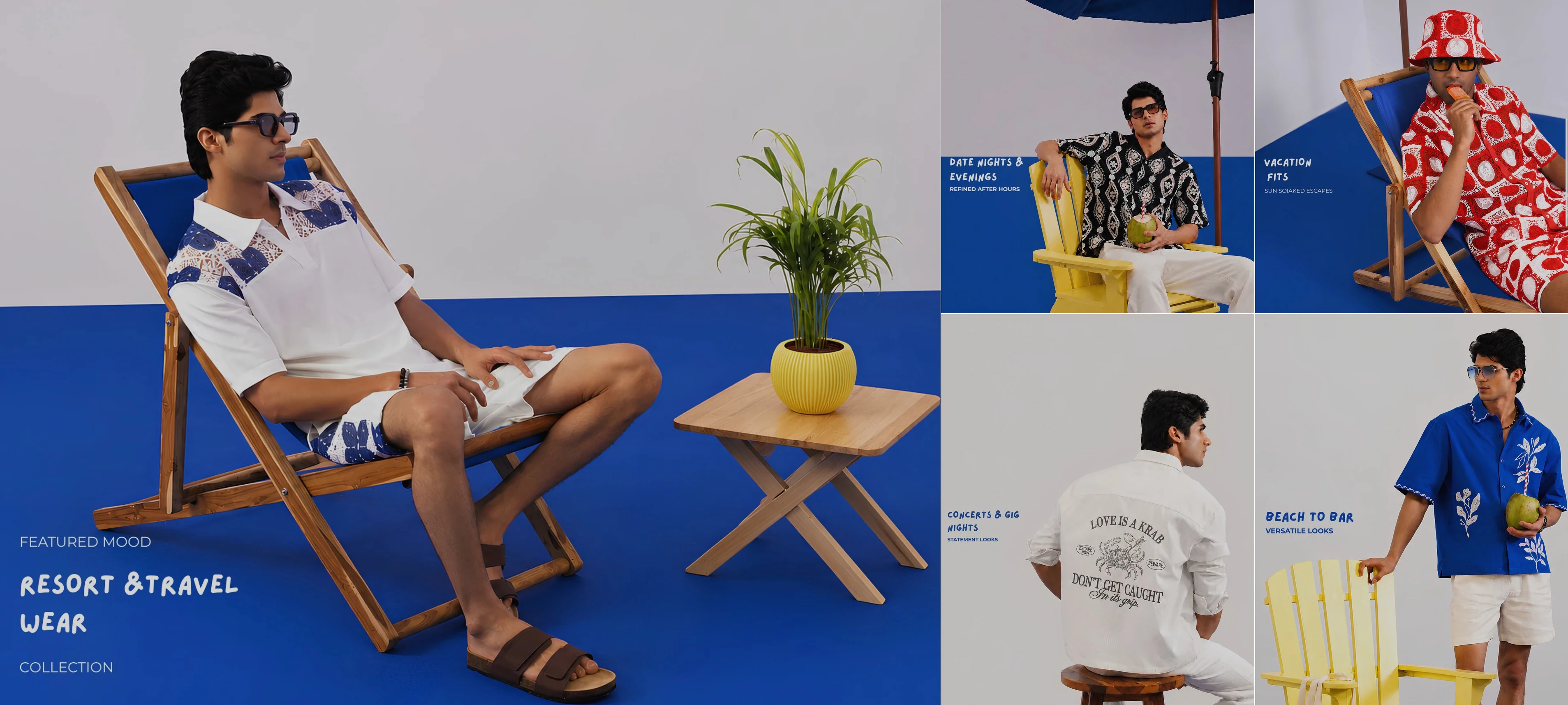
AI Production Case Study: How Oh Krab! Shot a Full Campaign Without a Studio
How Aganta Foundry used AI production, built on real reference shoots and moodboards, to deliver Oh Krab!'s Krabana SS'26 campaign in days instead of weeks.
AI production is the use of AI-generated imagery and video, built from real reference photography, moodboards, and a planned shot list, to produce campaign-ready content without a physical shoot. Aganta Foundry used this process to deliver the full Krabana SS'26 launch campaign for Oh Krab!, a menswear label, cutting production time by roughly 70% and cost by a similar margin against a traditional studio shoot.
This is the breakdown of how that happened, what we built, and why the planning mattered more than the prompting.
The Brief
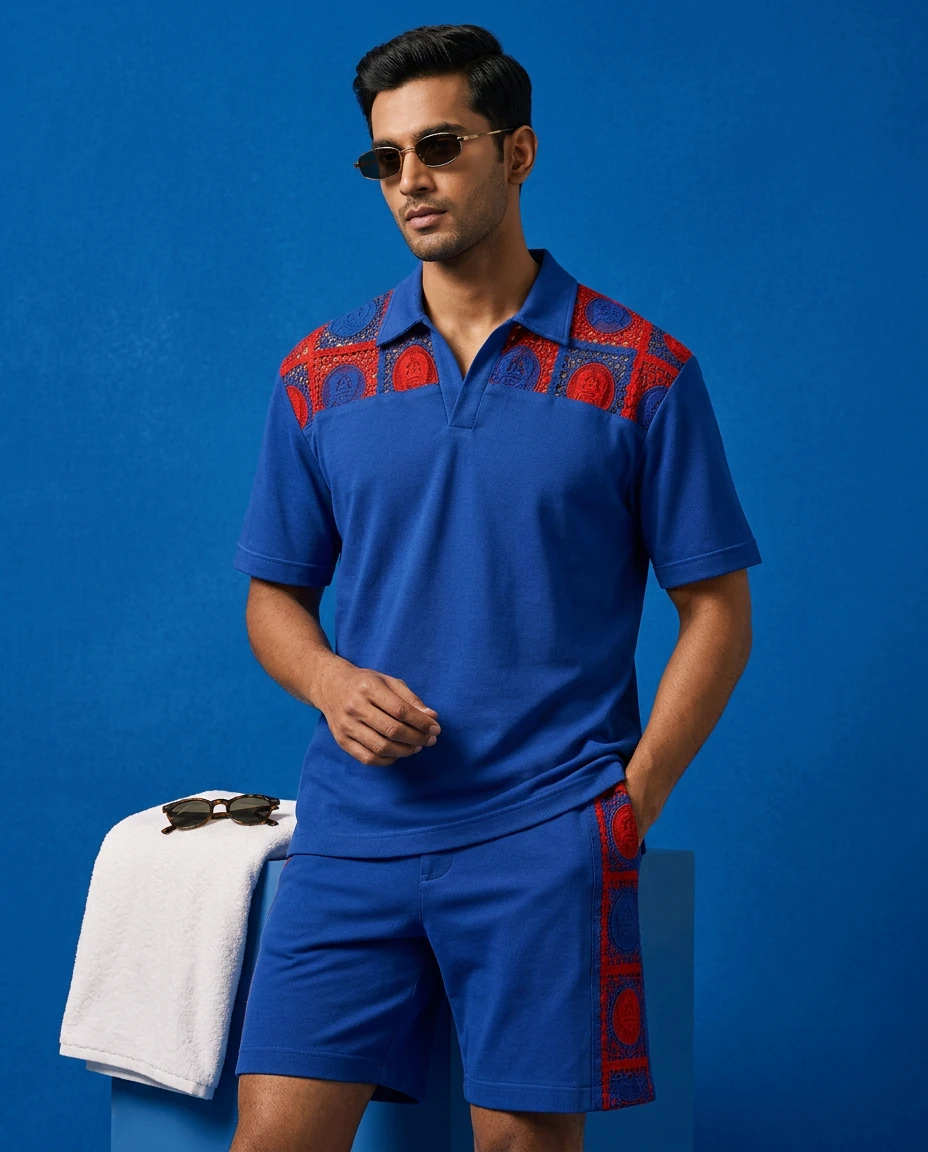
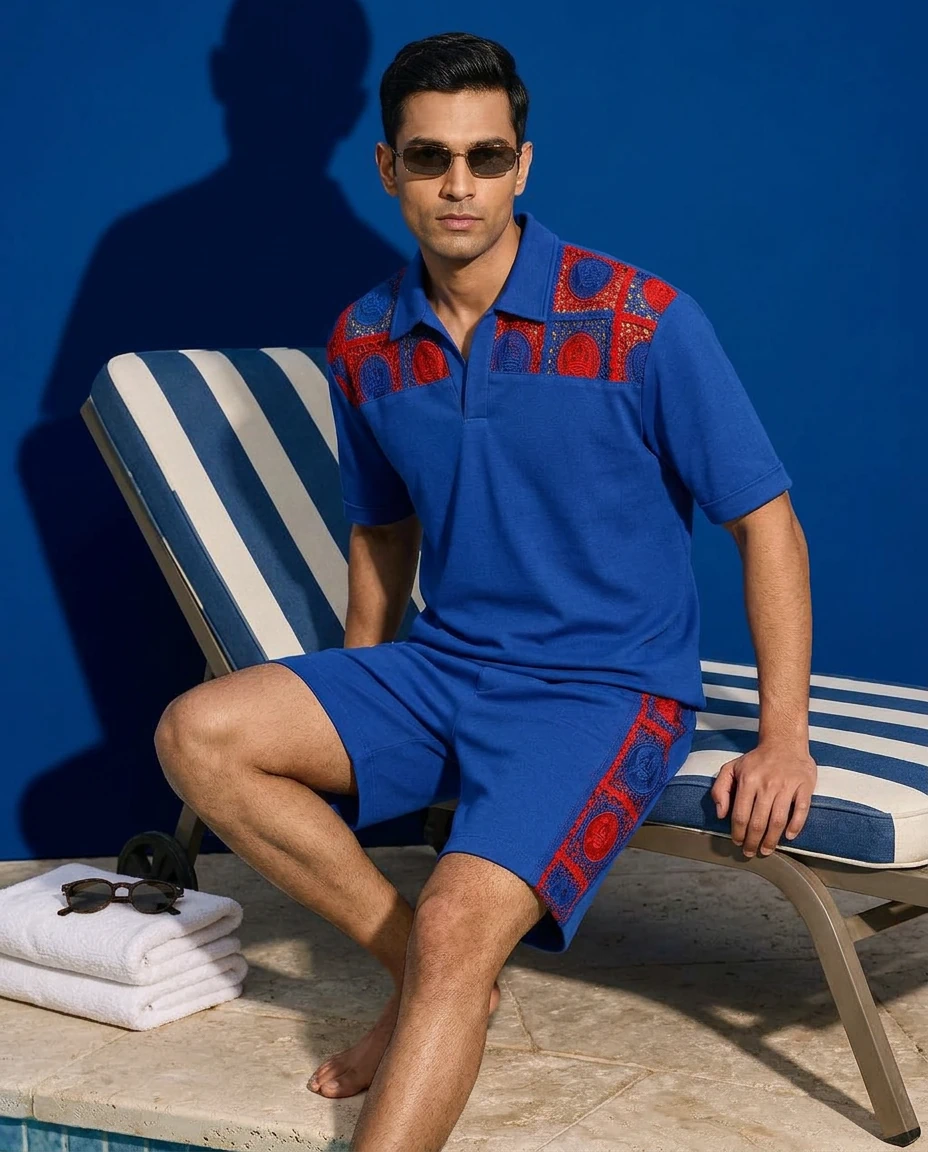
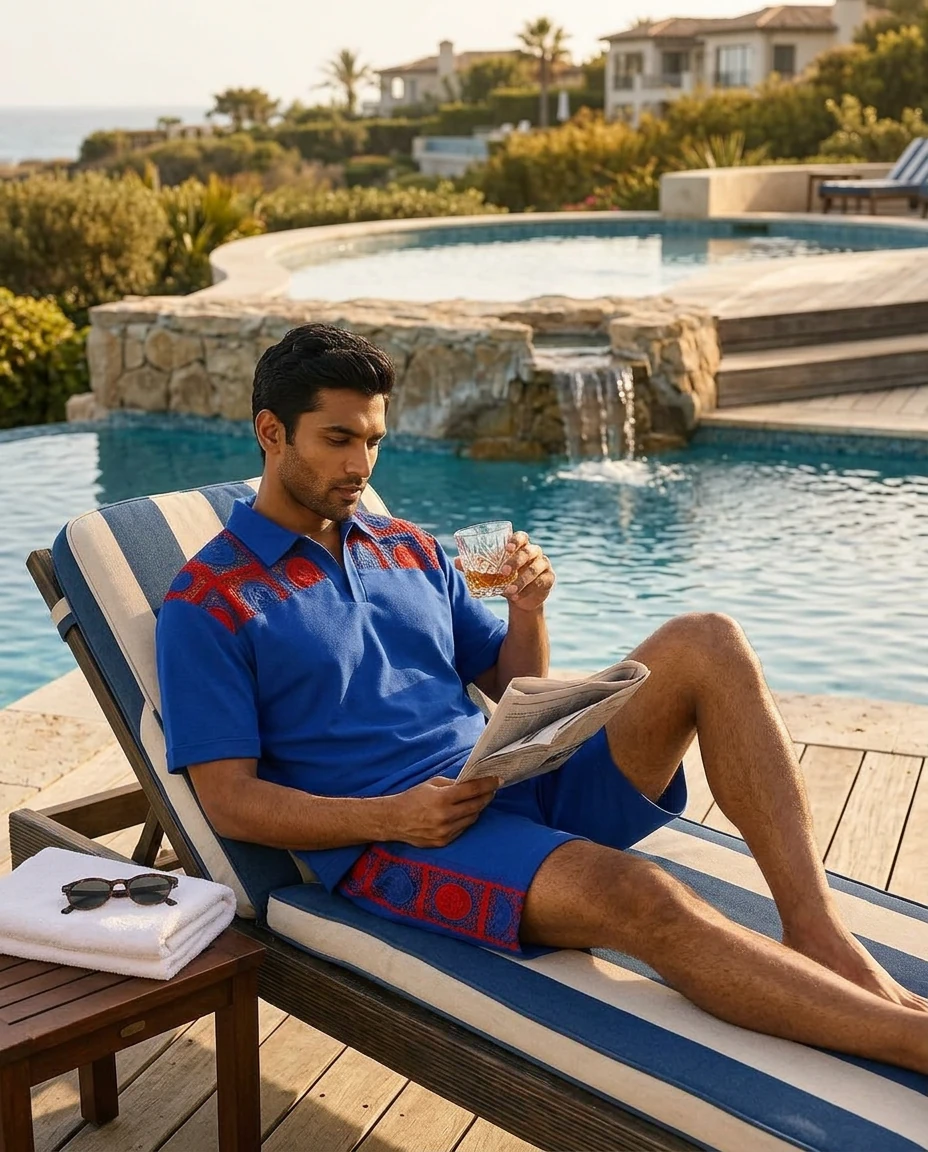
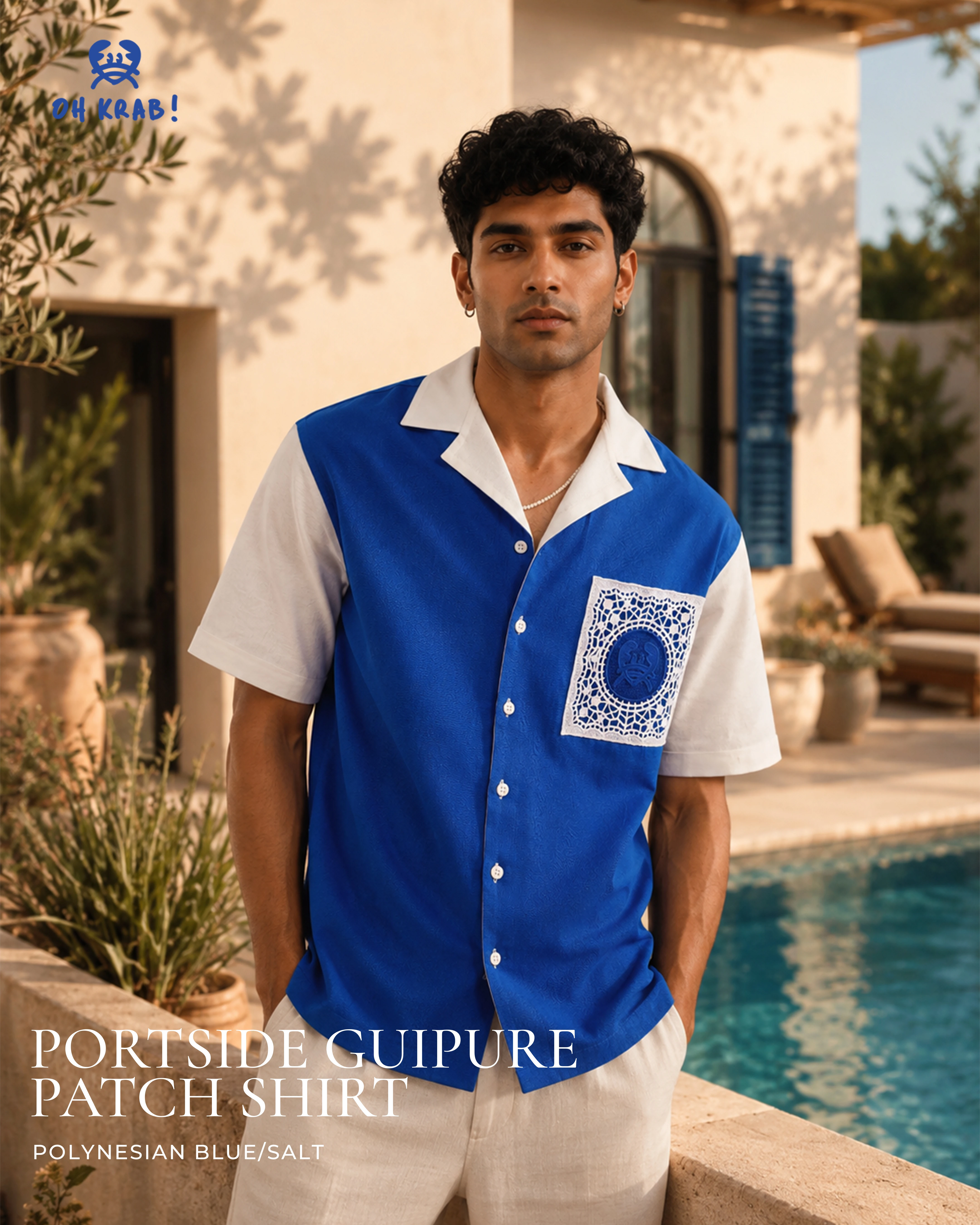
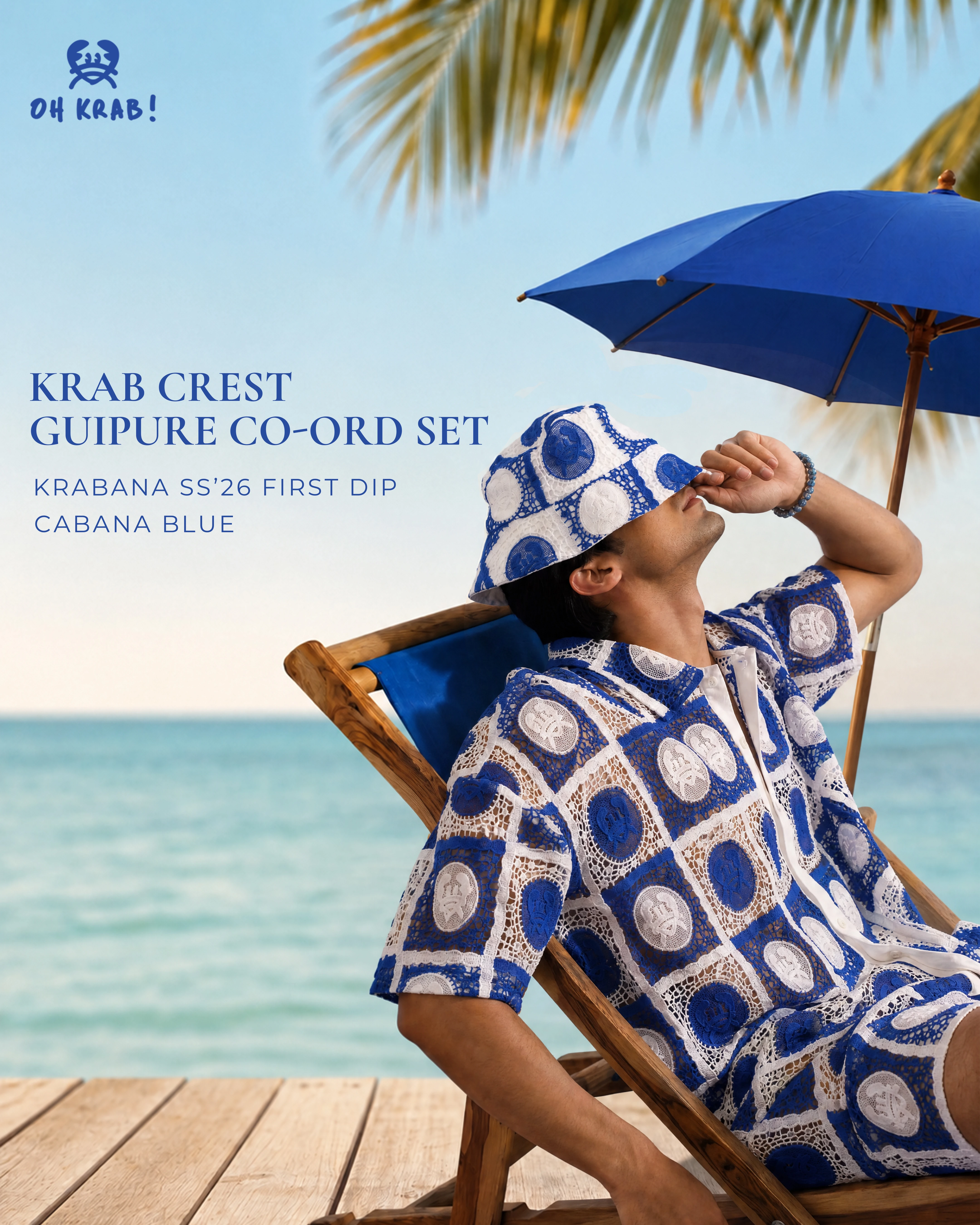
Oh Krab! needed campaign imagery for its Krabana SS'26 drop: a beach-and-poolside menswear story built around linen shirting and resort tailoring. The brand wanted the look of a destination shoot, Mediterranean villas, summer light, a cast that felt aspirational but real, without the cost or lead time of flying a crew, models, and a stylist anywhere.
The constraints were the usual ones for a digital-first label:
- No studio or location budget for a multi-day shoot
- A launch date that couldn't move
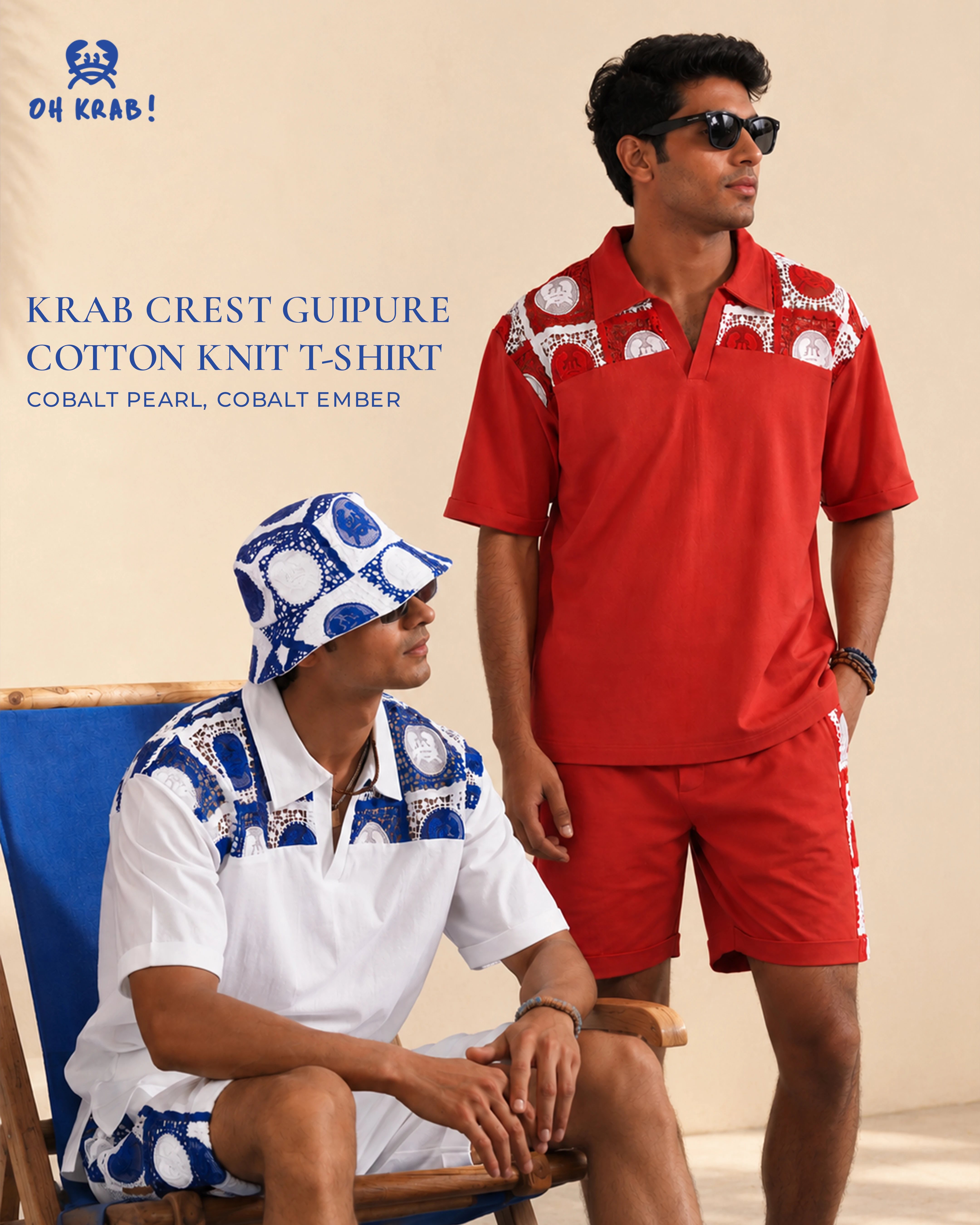
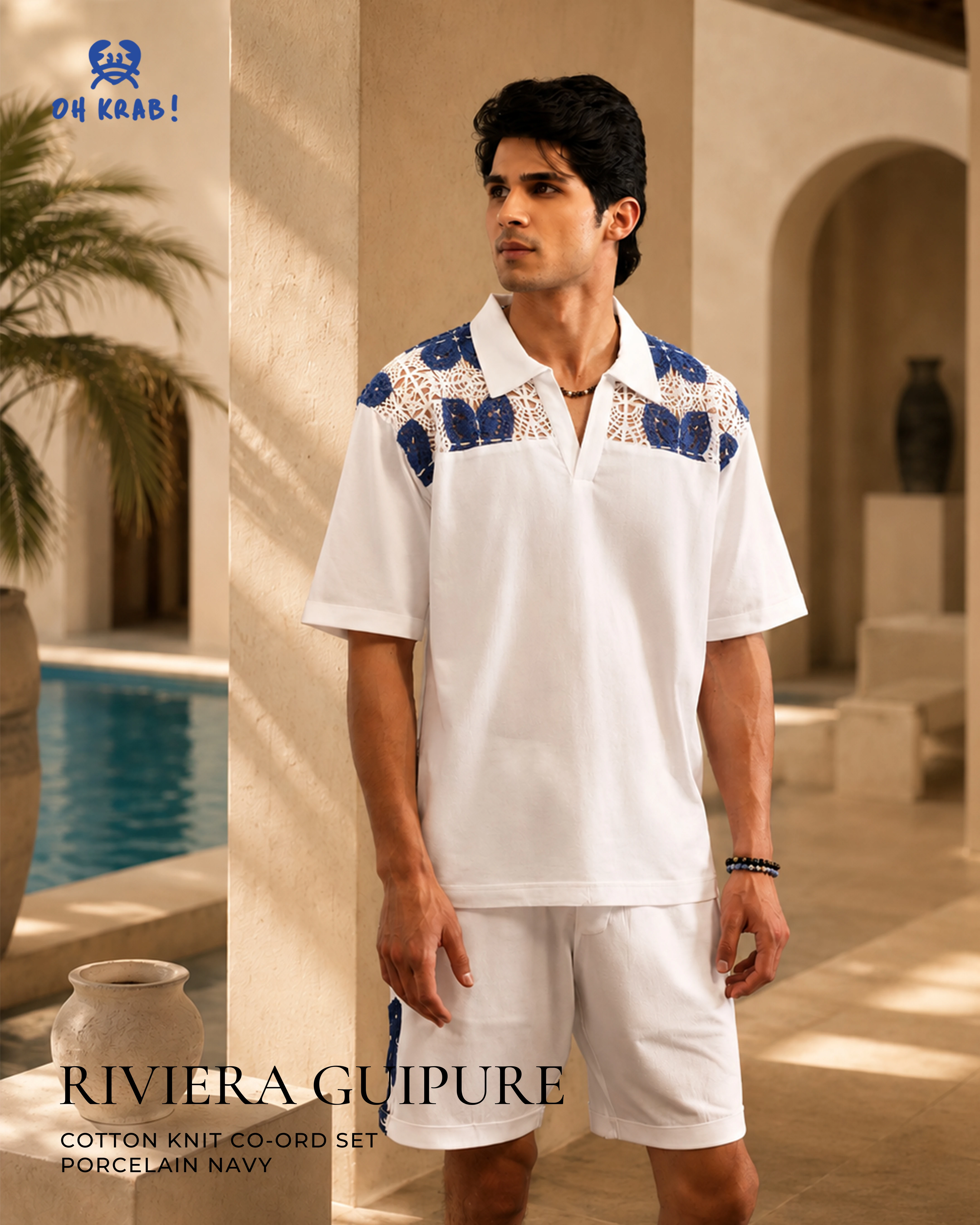
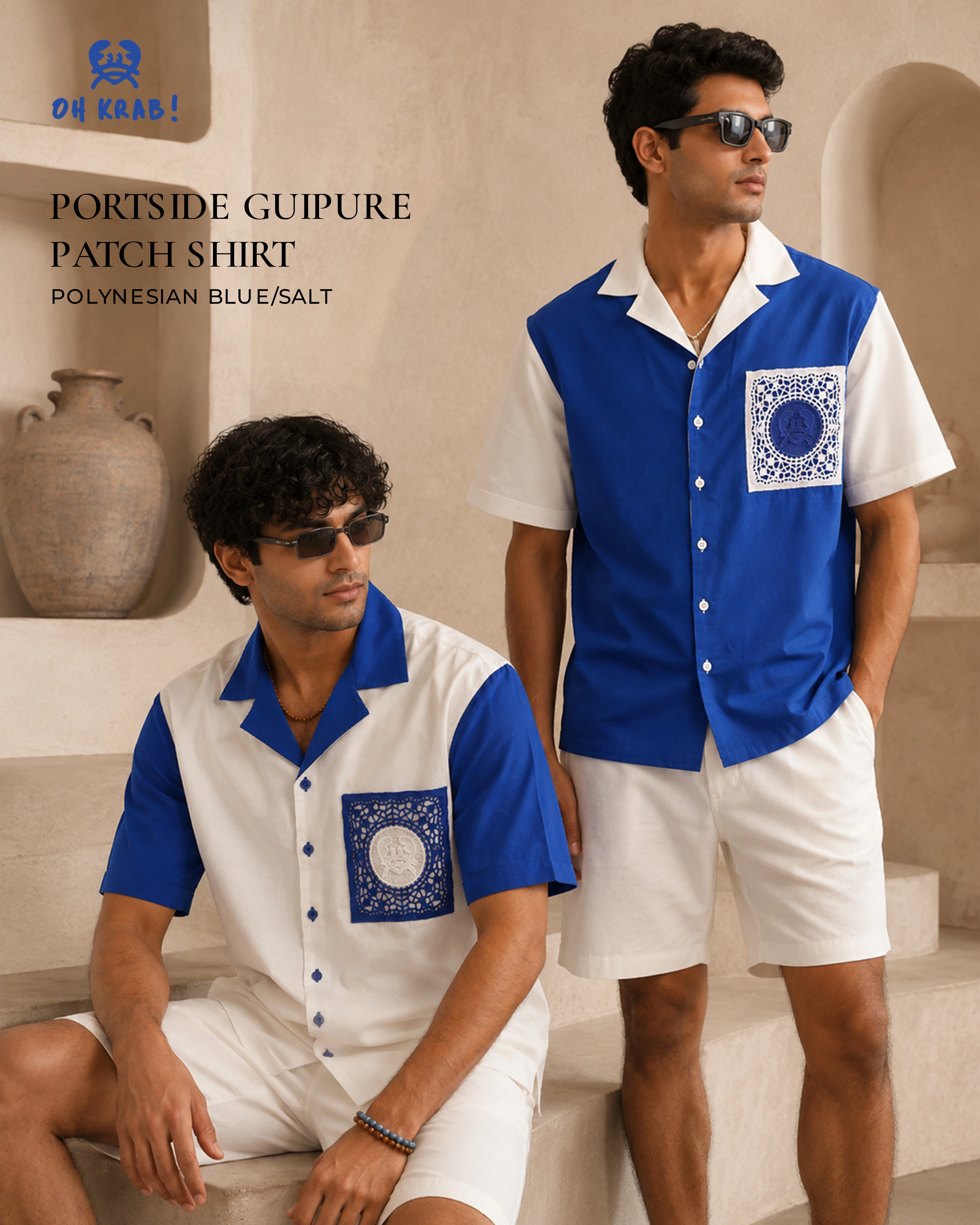
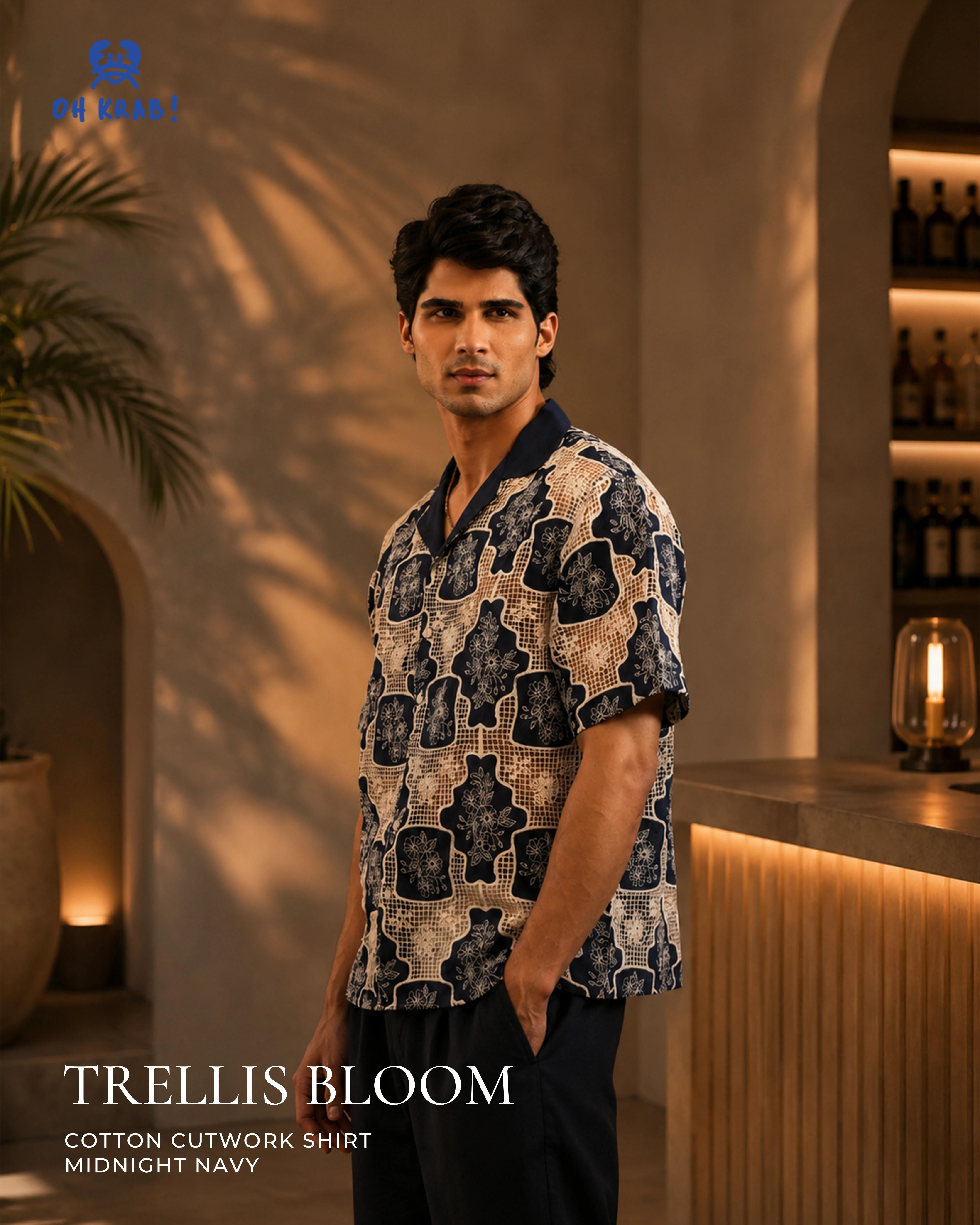
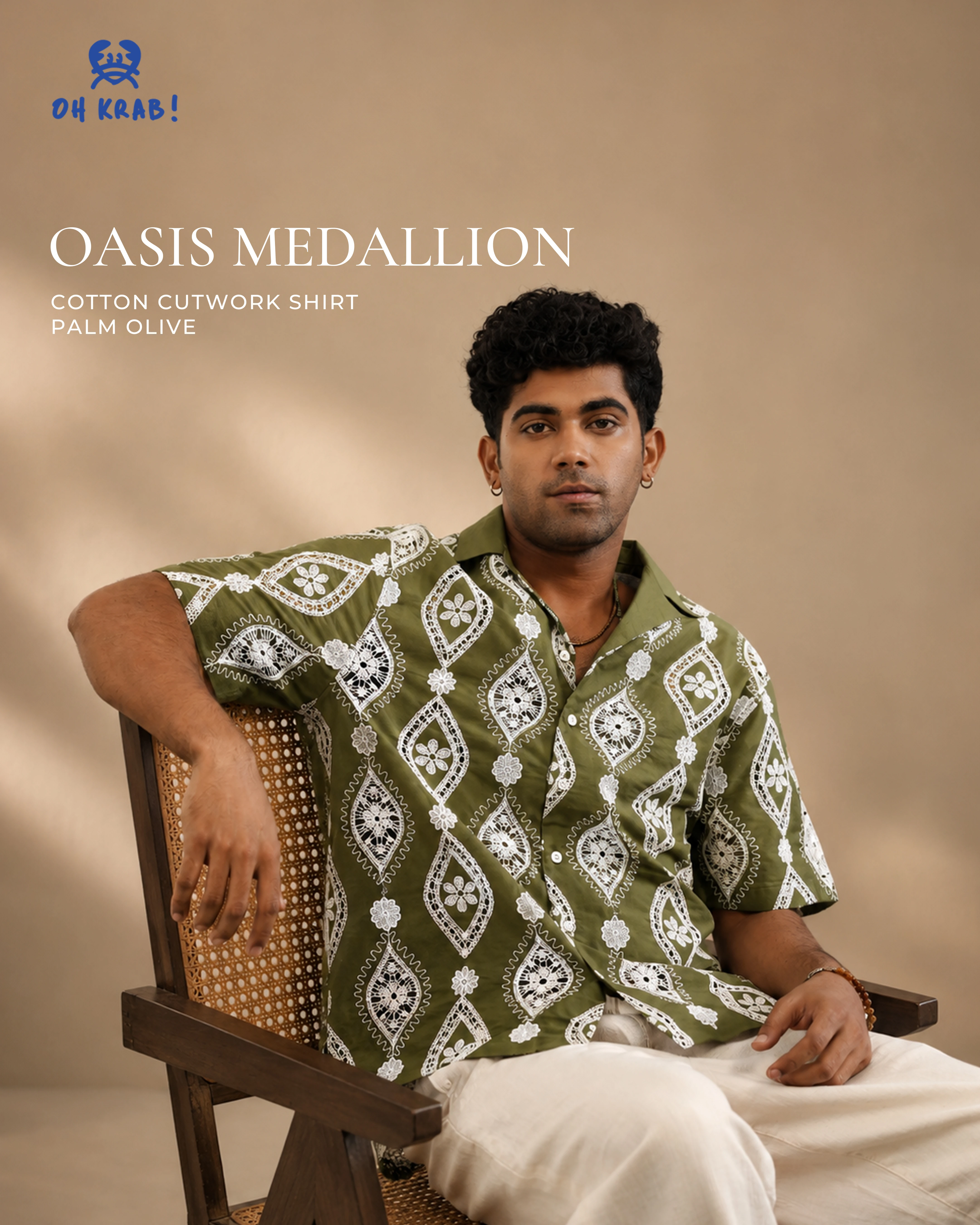
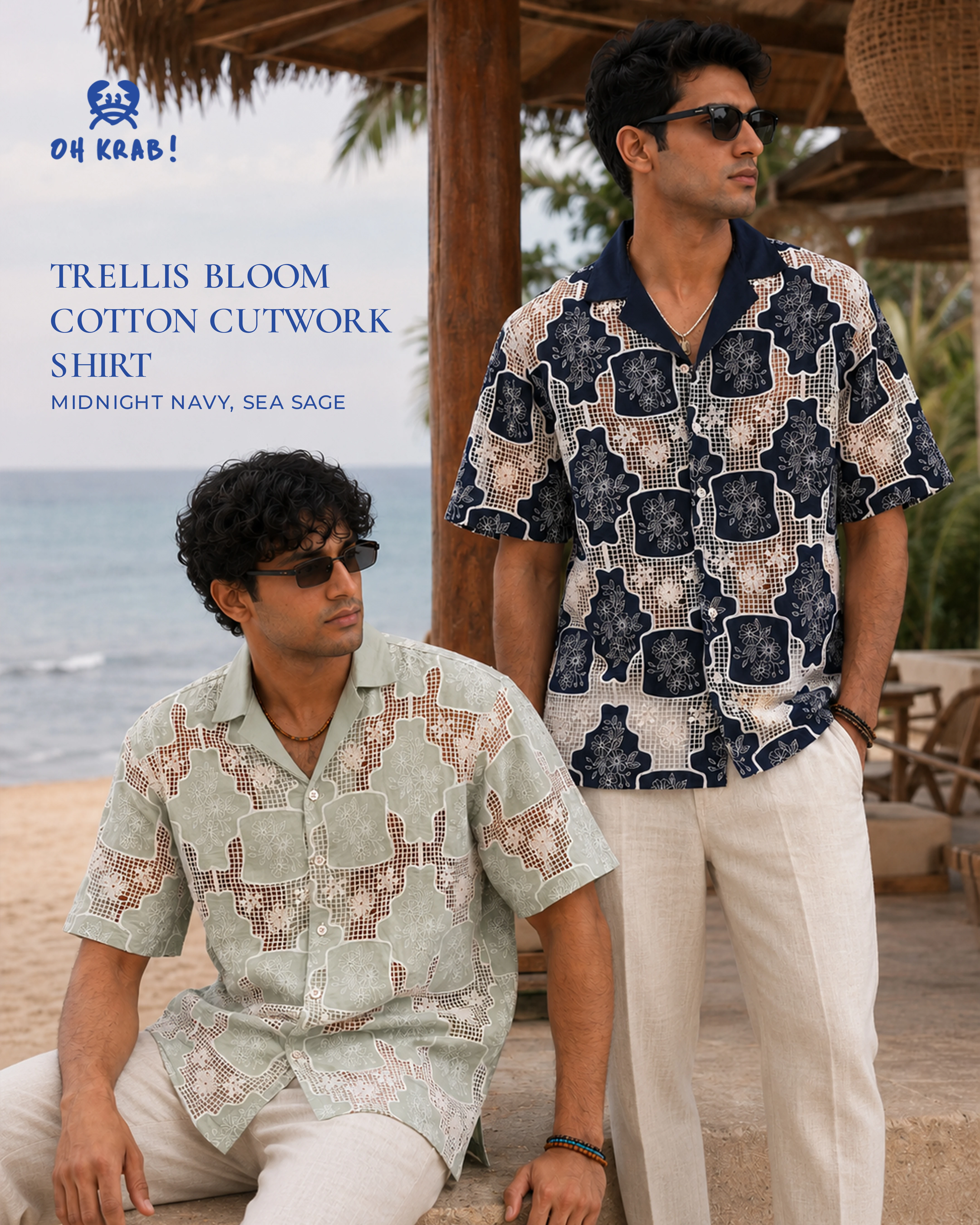
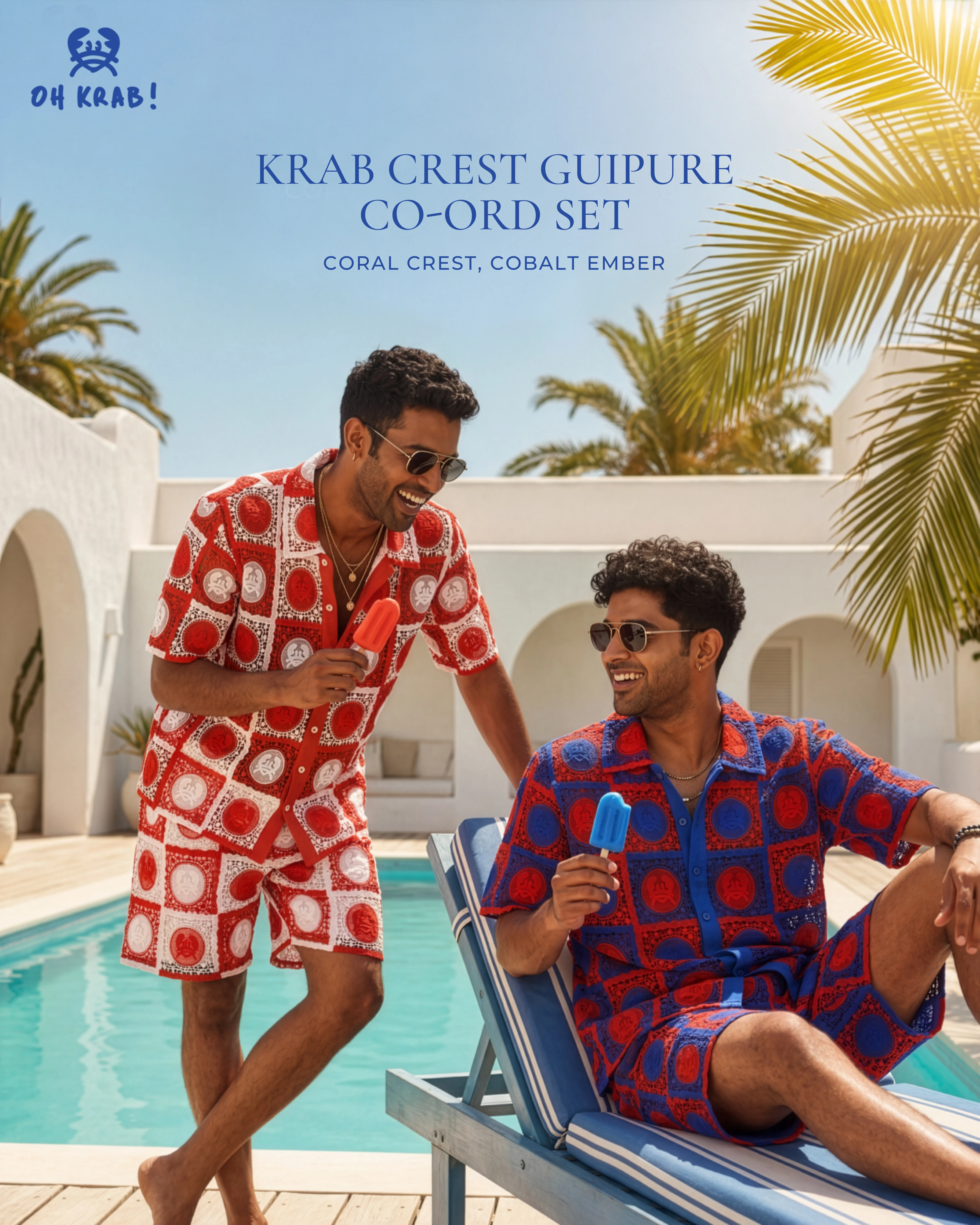
- A need for variety: hero banners, product detail shots, lifestyle stills, and a short-form video loop for paid social
- Garment accuracy that couldn't slip. Fabric texture, drape, and fit had to read as real, not synthetic
Why AI Production, Not a Stock Shoot or Generic AI Images
There's a difference between "type a prompt and hope" and AI production as a discipline. The first gives you images that look impressive for five seconds and fall apart on fabric, hands, or brand consistency. The second treats AI generation the way you'd treat a camera: a tool inside a planned production, not a replacement for the planning.
We don't skip the parts that make a shoot good. We skip the parts that make a shoot expensive.
How AI Production Works: Our 4-Step Process
Every AI production project at Aganta Foundry runs through the same four stages a physical shoot would, before a single frame gets generated.
1. Research the brand world
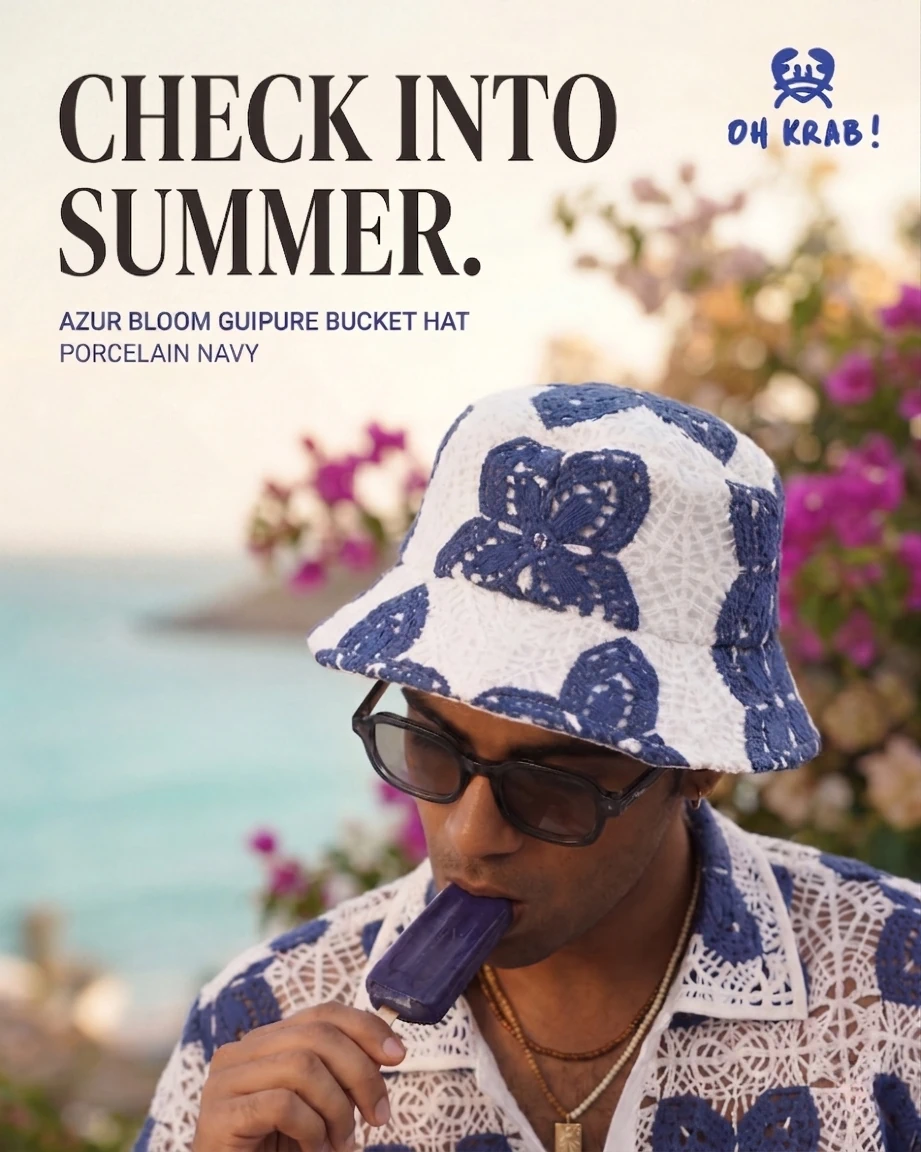
We pulled Oh Krab!'s existing visual identity, palette, typography, and the mood of the Krabana SS'26 drop ("check into summer") and mapped it against the references the brand had already approved: poolside architecture, warm-toned interiors, the specific shade of blue in the brand mark.
2. Build the moodboard
Before generating anything client-facing, we assembled a moodboard from real photography: villa architecture, lighting references, model casting direction, color grading targets. This moodboard became the brief for every generation that followed, the same way it would for a photographer on set.
3. Plan the shoot like a real shoot
We wrote a shot list. Hero banner, three lifestyle angles, a product detail crop, a video loop, each with its own framing, lighting direction, and garment focus. This is the step most "AI image" work skips, and it's the step that decides whether the output looks like a campaign or like a slot machine.
4. Generate, then quality-pass
Generation happened in iterative rounds against the shot list and moodboard, not as a single prompt-and-pray attempt. Every output went through a quality pass for the things that break AI imagery fastest: fabric texture and drape, hand and finger accuracy, garment-to-body fit, and color consistency against brand references.
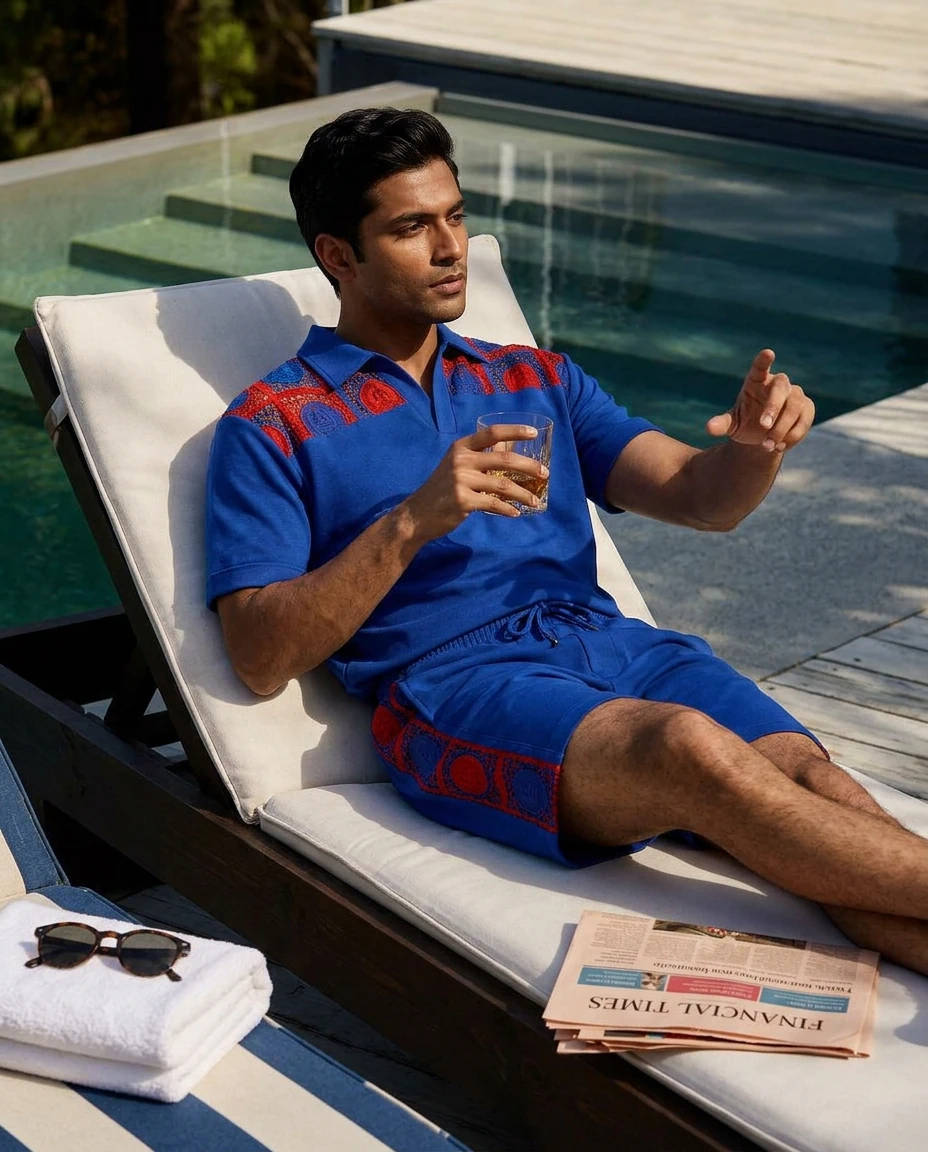
"Most AI image work fails for the same reason a bad photoshoot fails: nobody planned it. We treat the moodboard and shot list as non-negotiable, the generation step is just the camera. That's the entire difference between a campaign and a slot machine." — Agastya, Founder, Aganta Foundry
The Work
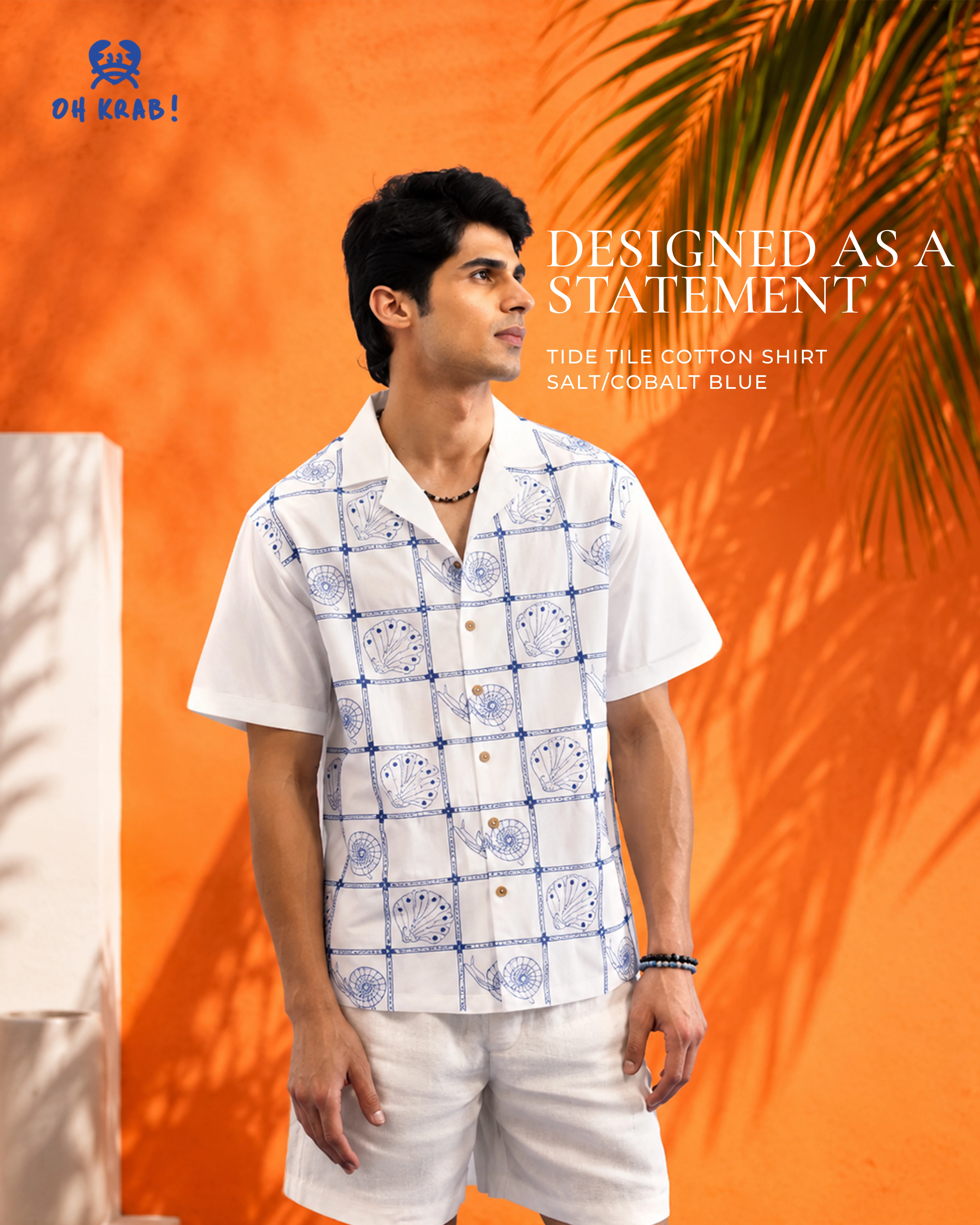
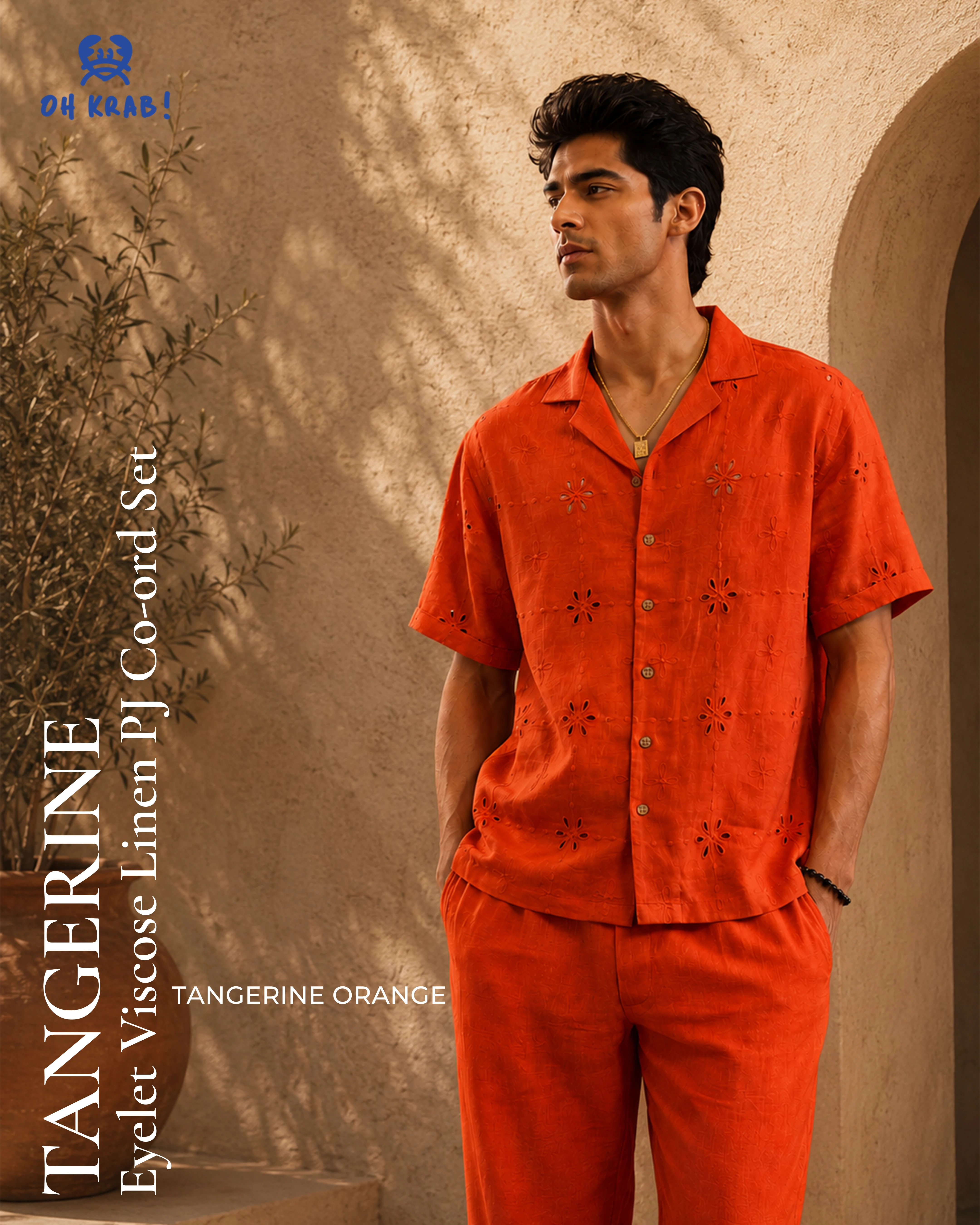
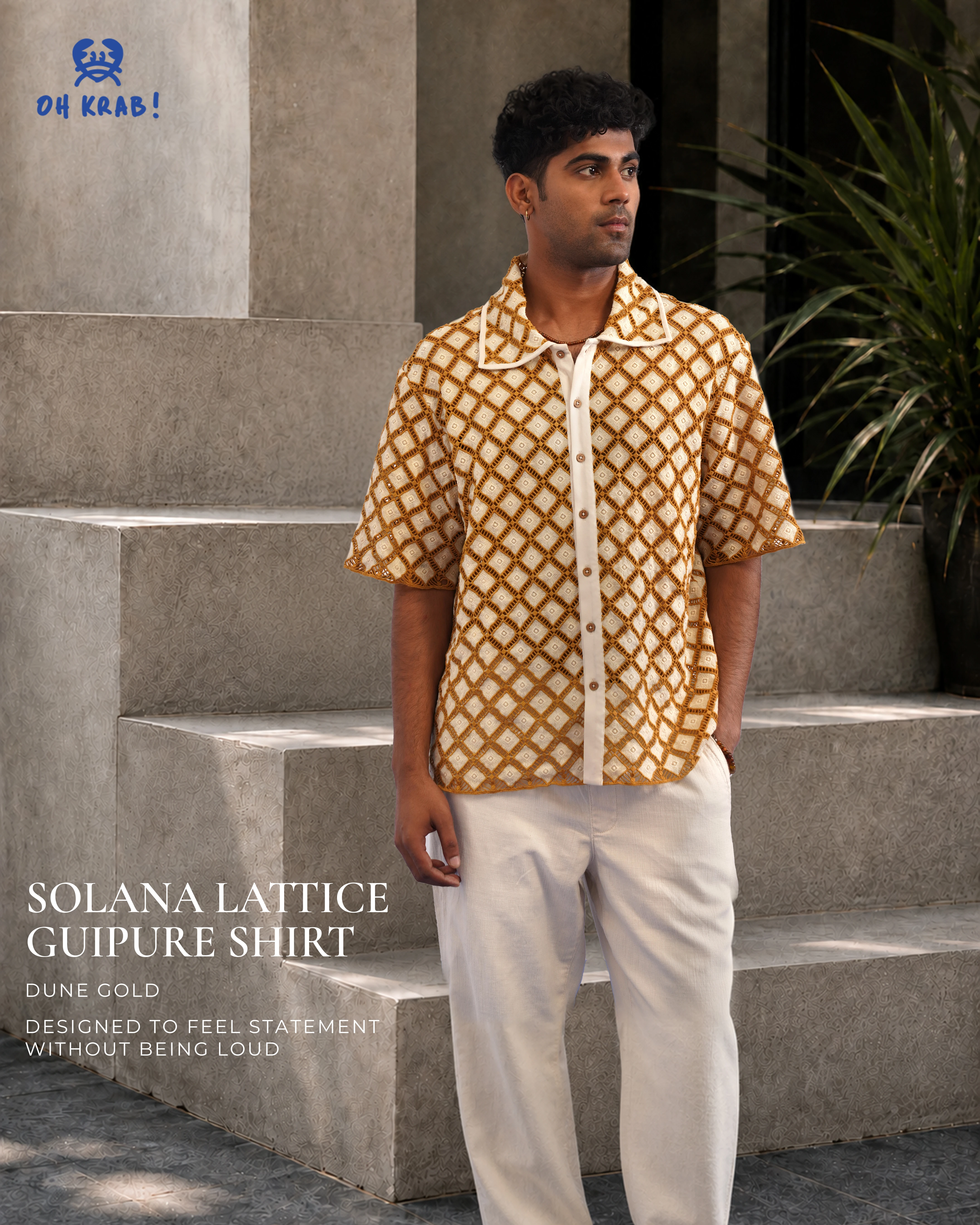
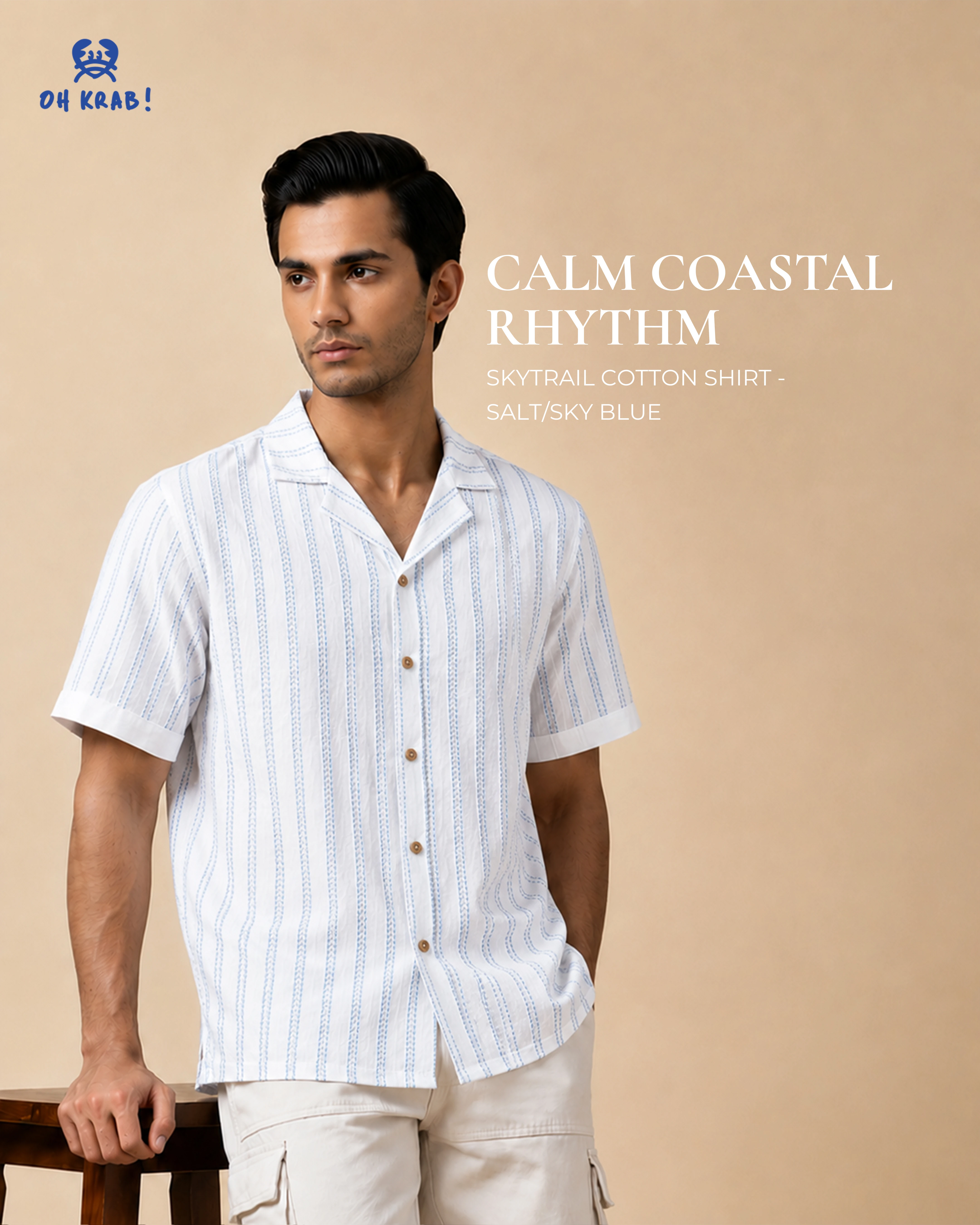
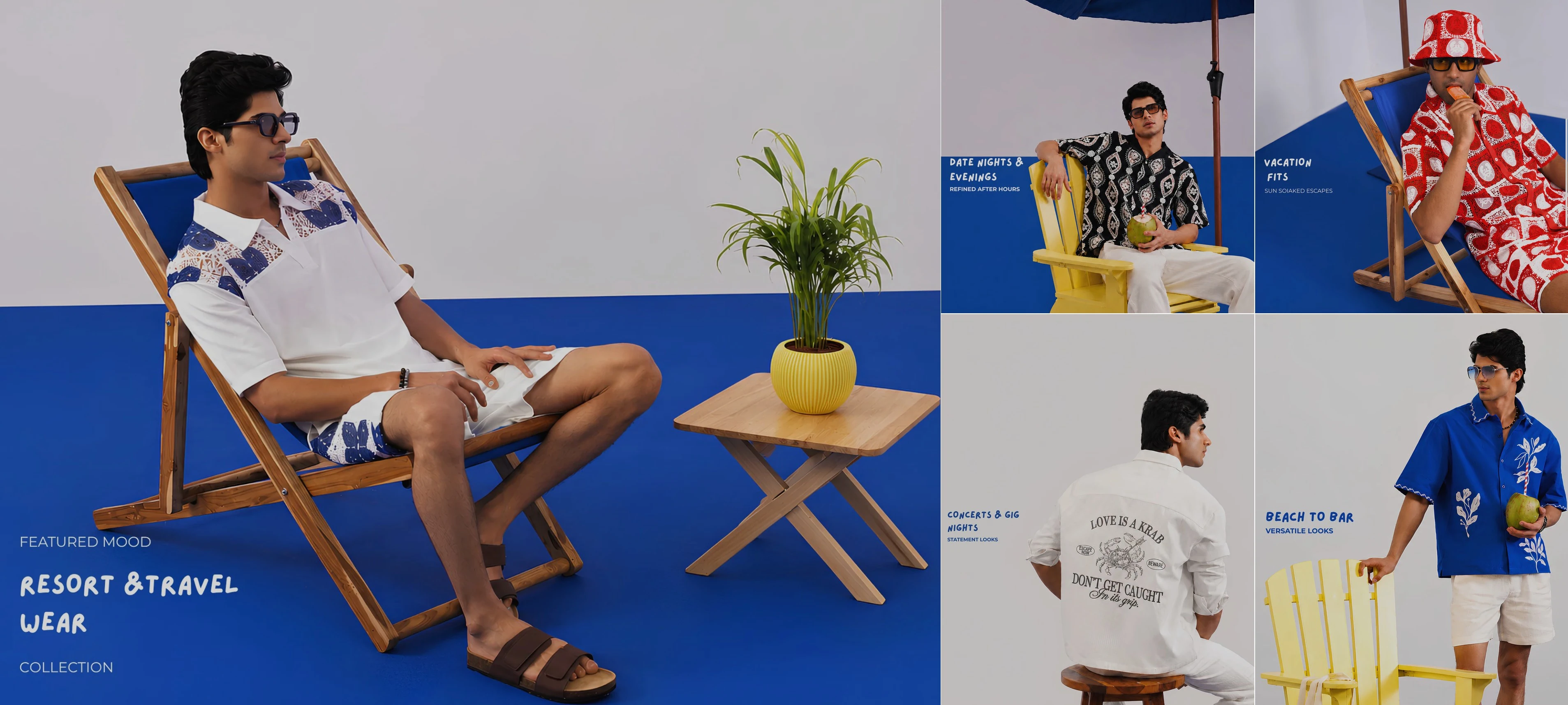
The final deliverable set covered the full range a physical shoot would have produced:
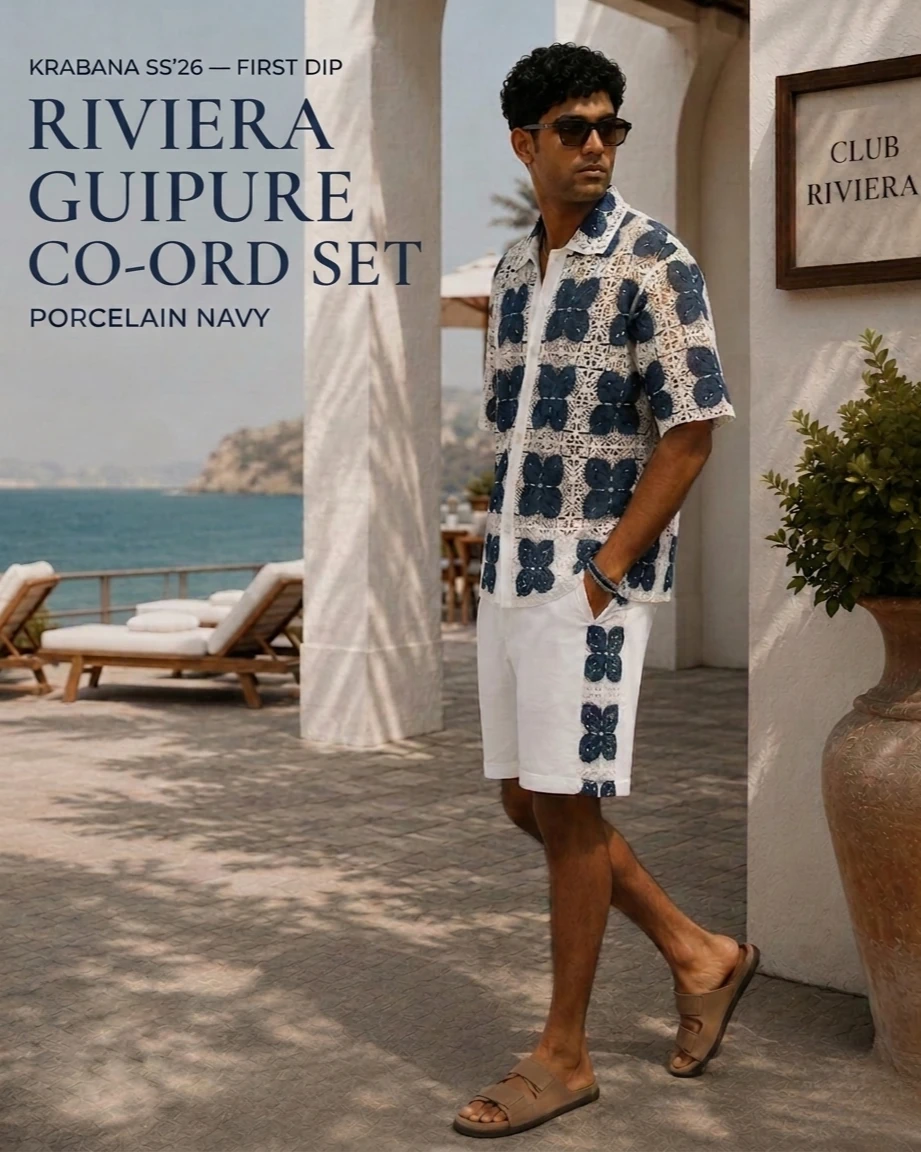
- Hero campaign banner for the homepage
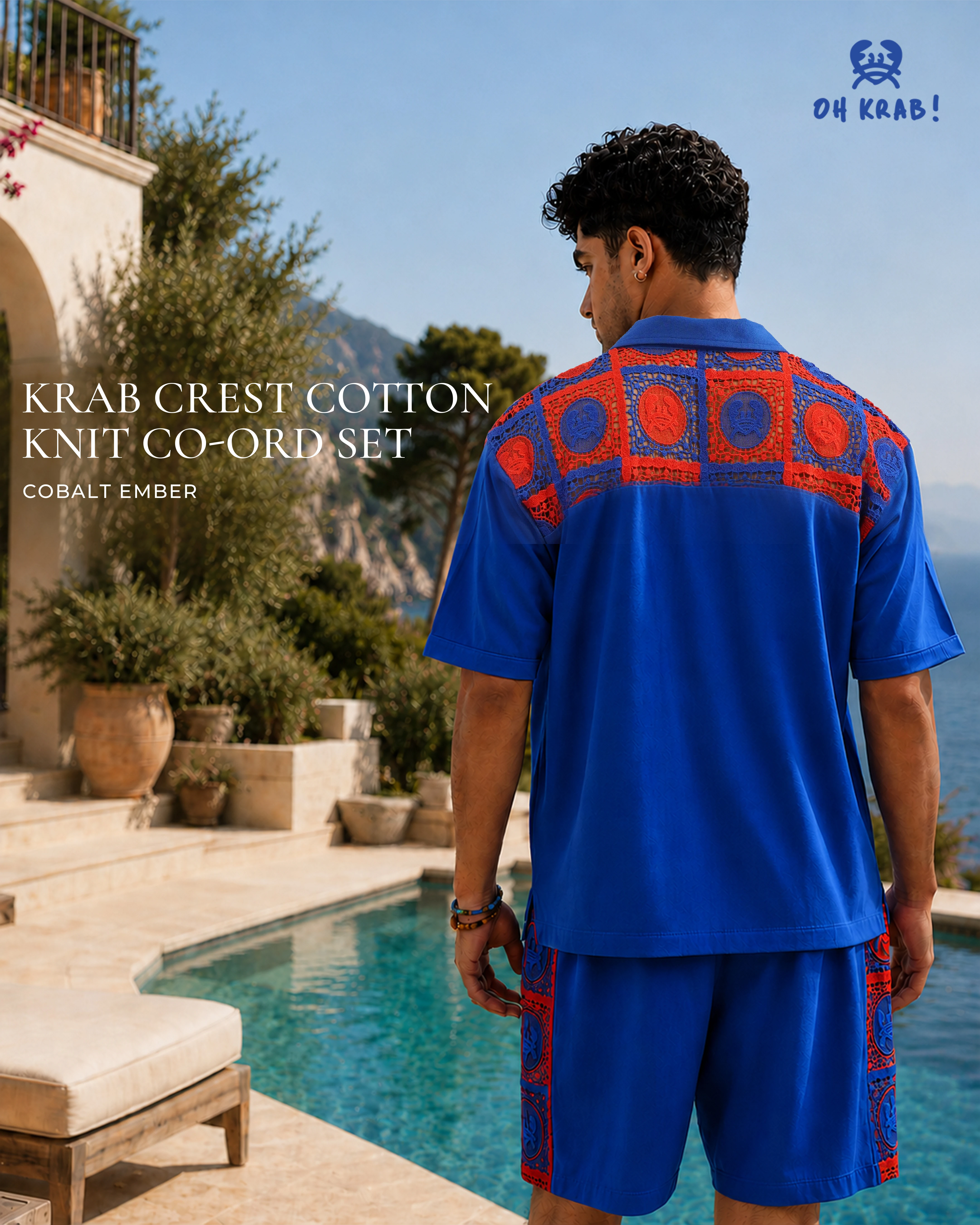
- Lifestyle stills across multiple "locations" (poolside, bar cart, villa exterior) without ever booking one
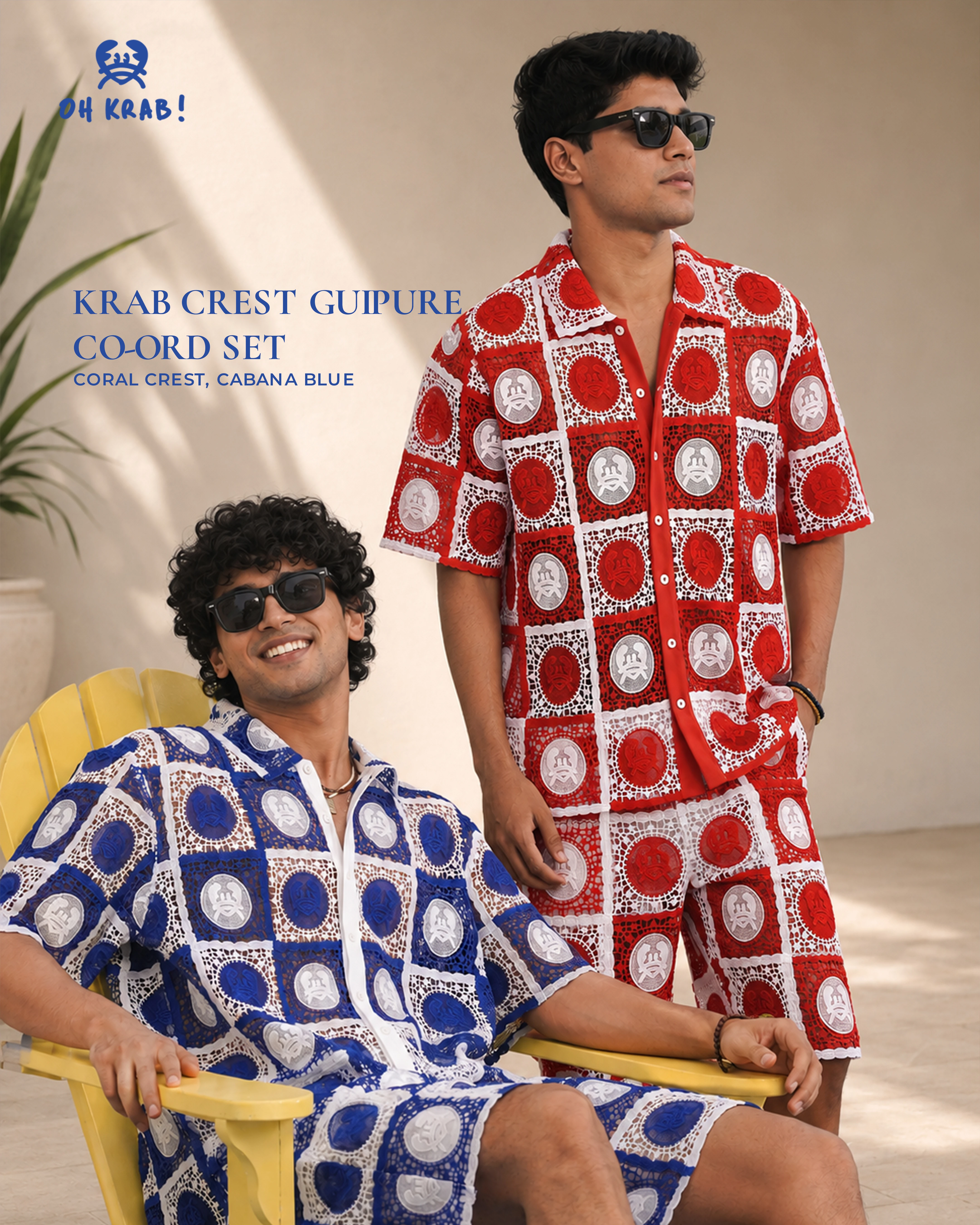
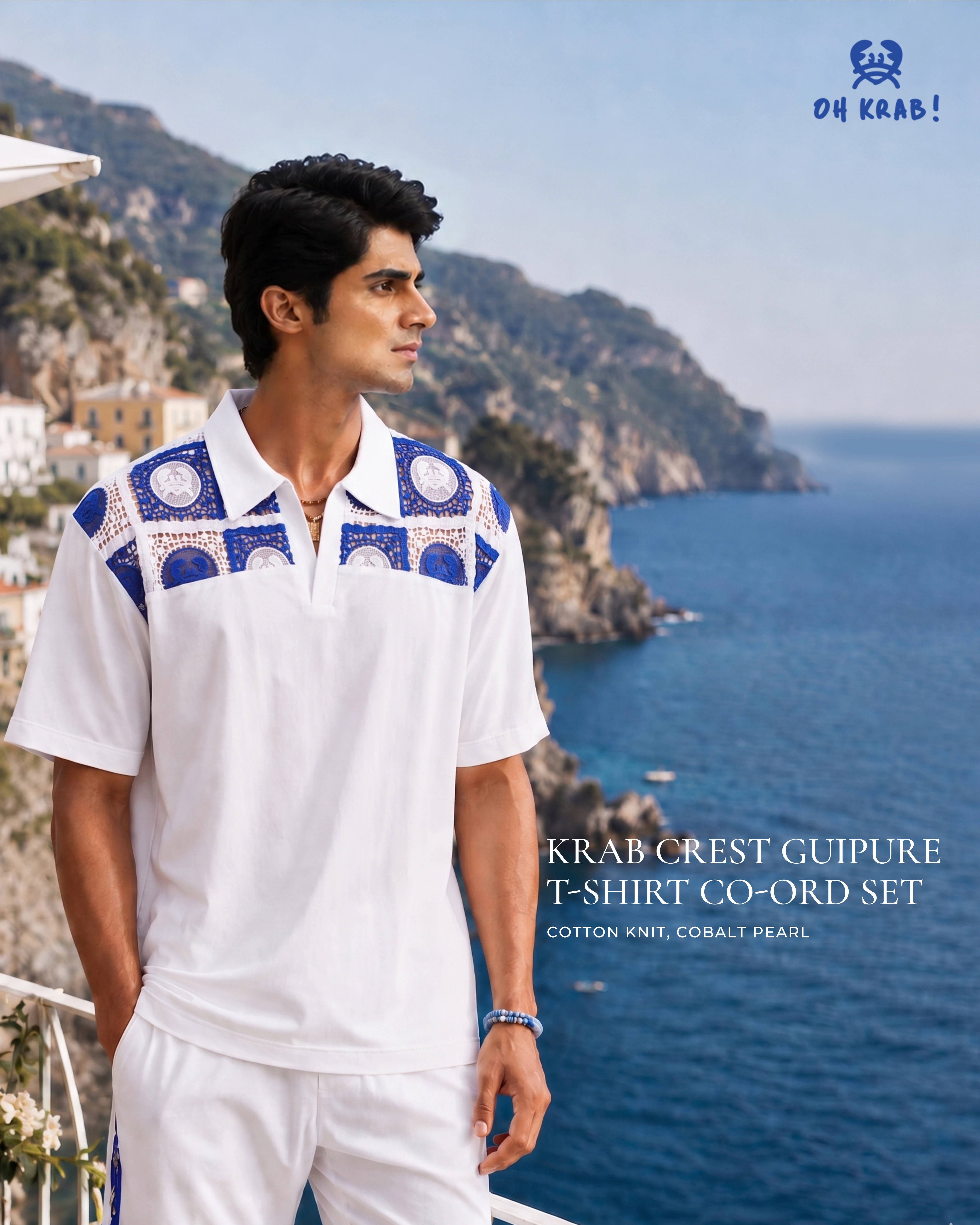
- Product detail crops showing fabric texture and construction
- A short vertical video loop for Instagram and Meta paid placements
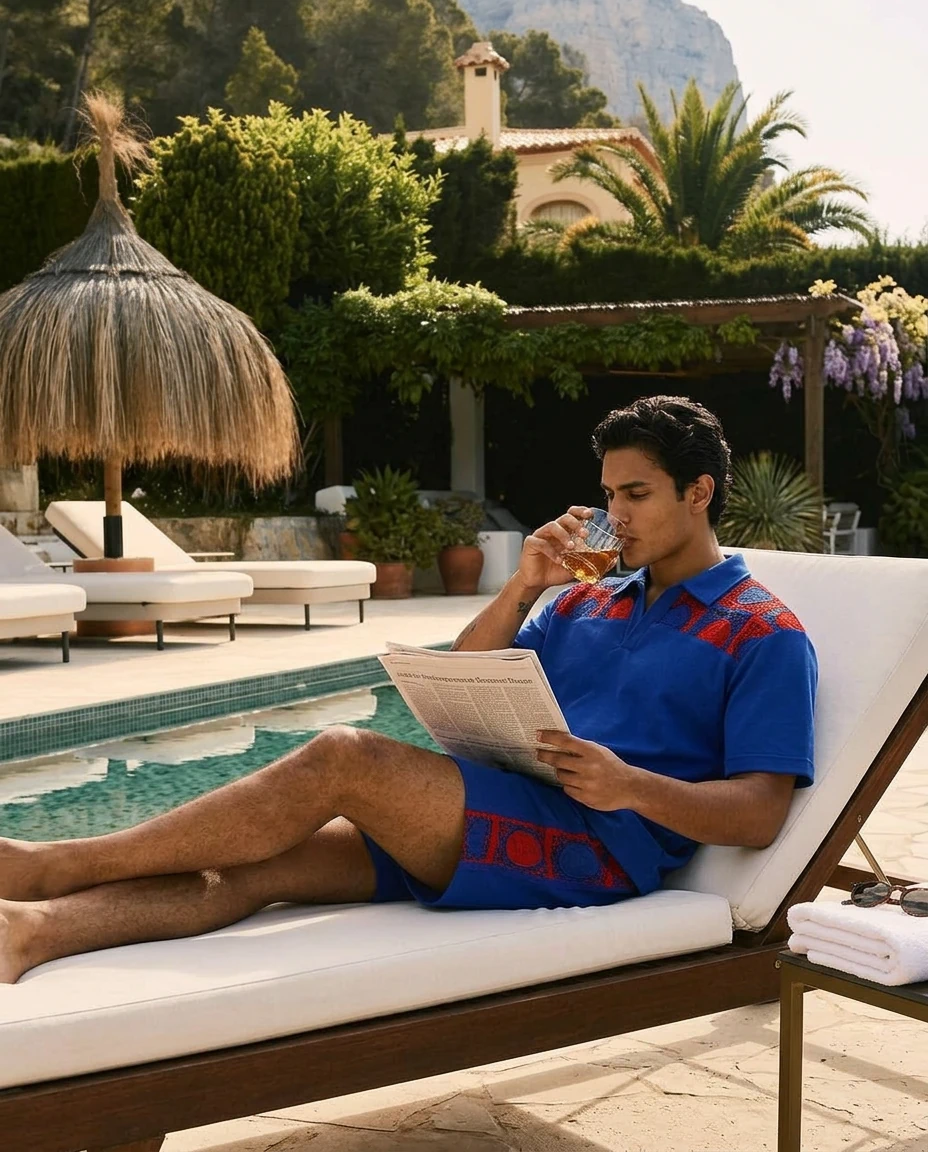
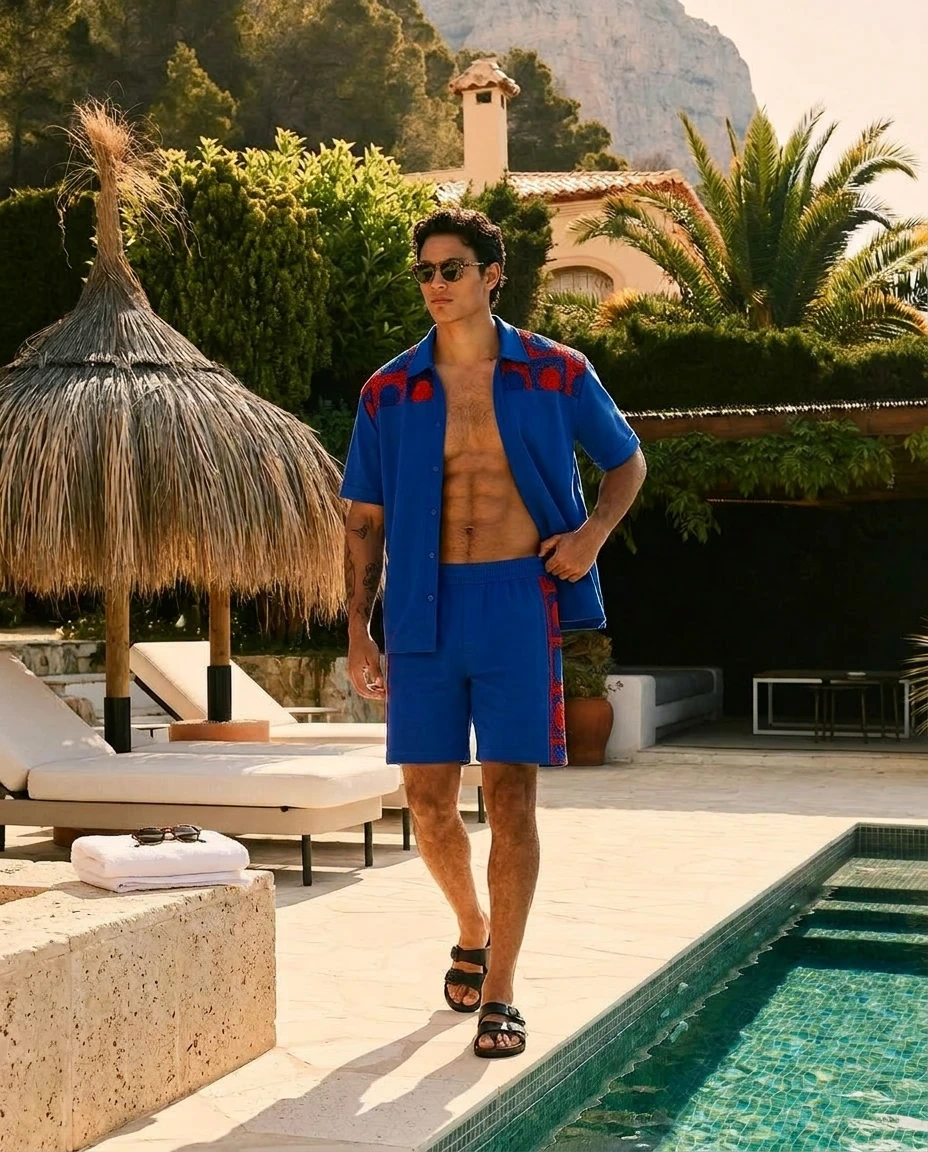
All of it built to one moodboard, one color grade, one consistent cast, so the campaign reads as a single shoot rather than a stitched-together set of generations.
Results
| Metric | Traditional Studio Shoot | AI Production (Aganta Foundry) |
|---|---|---|
| Time to final deliverables | 3-4 weeks (booking, shoot day, post) | 4-5 days |
| Cost | Studio, models, location, crew, travel | Roughly 70% lower |
| Locations covered | Limited to what's bookable in budget | Multiple "locations" in the same week |
| Revision cost | Reshoot = full cost again | Revisions built into the production cycle |
| Output variety | Capped by shoot-day time | Banner, lifestyle, detail, and video from one pass |
These are directional figures based on typical shoot costs for a comparable campaign of this scope. Exact savings depend on location, model fees, and crew size in your market.
Where the Savings Actually Come From
A campaign shoot's cost isn't one line item, it's a stack of them. Breaking out where AI production removes cost makes the 70% figure less abstract:
| Line Item | Traditional Shoot | AI Production |
|---|---|---|
| Location/studio rental | Per-day fee, often the largest single cost | Not required |
| Model day rates | Per model, per day, plus usage rights | Not required |
| Crew (photographer, stylist, MUA, assistants) | Full day rates per person | Replaced by the AI production team |
| Travel and logistics | Flights, transport, accommodation if off-site | Not required |
| Reshoots | Full cost repeated | Revisions handled inside the same production cycle |
| Post-production | Separate retouching pass | Built into the quality-pass stage |
Time follows the same pattern. A traditional shoot loses days to scouting, booking, and weather contingency before a single photo gets taken. AI production replaces that lead time with the research and moodboard stage, which runs in parallel rather than in sequence.
Why the Planning Step Is the Whole Point
Anyone can generate an AI image now. What's harder to fake is consistency: the same model, the same light, the same brand world across twelve different assets that all need to sit on the same page without looking assembled. That only happens when the moodboard and shot list come first and the generation comes last.
That's the difference between AI production and an AI image generator left open in another tab.
FAQ
What is AI production?
AI production is the use of AI image and video generation inside a planned creative process: research, moodboard, shot list, then generation and quality review, to produce campaign content without a physical photo or video shoot.
Is AI production the same as just generating images with AI tools?
No. Generating images without a planning stage tends to produce inconsistent results: different lighting, different model features, different color grading across a set. AI production treats generation as one stage inside a full creative process, the same way a camera is one tool inside a shoot.
Is AI production cheaper than a traditional shoot?
In most cases, yes, often by a significant margin, because it removes studio rental, location fees, model day rates, crew, and travel. The exact saving depends on the scope and market of the original shoot it's replacing.
Does AI production still require real photography?
Yes. Reference photography and moodboards built from real images are what keep AI production accurate to a brand's actual world, lighting, color, and product details, rather than generic.
What kind of brands is AI production suited for?
It works best for brands that need volume and variety, multiple looks, locations, or formats, on a timeline or budget that a physical shoot can't match. It's not a replacement for hero shoots where a brand's identity depends on a specific real location or talent.
How much does AI production cost compared to a photoshoot?
It varies by scope, but the typical saving comes from removing studio rental, model day rates, crew, travel, and reshoot costs entirely. For a campaign of comparable scale to Oh Krab!'s, that landed at roughly 70% lower than a traditional shoot.
Can AI production work for ecommerce product photography, not just campaigns?
Yes. The same research, moodboard, and quality-pass process applies to product-only imagery, it's often a simpler version of the same pipeline since there's no model casting or location styling involved.
How long does an AI production project take from brief to final assets?
For a campaign on the scale of Oh Krab!'s Krabana SS'26 launch, four to five days from approved moodboard to final deliverables. Simpler product-only sets can move faster.
Want This for Your Next Drop?
Aganta Foundry builds AI production pipelines the same way we build everything else: research first, moodboard before generation, and a quality pass that catches what breaks AI imagery before a client ever sees it.
Get in touch to talk through your next campaign.